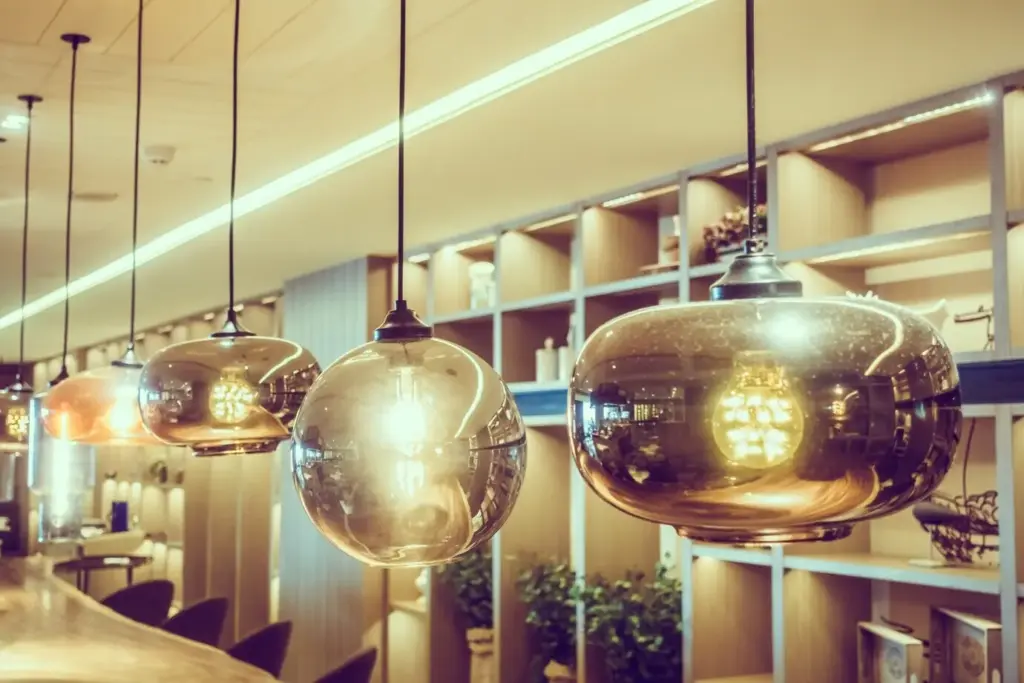
Ceilings Reimagined with Layered Light and Smart Control
Step into a practical, inspiring guide to Integrating Layered Lighting and Smart Fixtures into Ceiling Makeovers, where ambient foundations, precise task beams, and expressive accents meet responsive controls, sensors, and voice scenes. We’ll map rooms realistically, compare protocols without hype, and turn construction limits into clever design moves. Expect candid pitfalls, budgets that flex, and examples you can copy. Join the conversation by asking questions, sharing photos of your ceilings, and telling us what automation makes daily life feel calmer, cozier, and more effortless.

Start with the Light Map

Before buying a single fixture, sketch how people actually use the room at different times, then translate activities into layers, circuits, and control groups. Consider target lux for tasks, comfortable luminance ratios, dimming ranges, and maintenance access. Mark joist directions, obstacles, and wire paths. This groundwork prevents glare, shadowy corners, and control confusion, while creating a ceiling plan that installers understand and your future self can service easily without guesswork, holes, or costly change orders.

Smart Fixtures and the Brains Behind Them

Smart fixtures become delightful when their brains simplify life rather than complicate it. Decide early how devices will communicate, who controls updates, and what stays local if the internet drops. Evaluate hubs against reliability, latency, and migration paths to Matter, not just shiny apps. Plan naming conventions and fallback wall controls that anyone can use. A thoughtfully connected ceiling disappears into daily routines, quietly adapting to motion, time, daylight, and mood.

Ceiling Details that Make Light Look Effortless

The most beautiful ceilings hide effort behind restraint and precision. Use depths, reveals, and textures to let light graze, wash, or vanish without visible hotspots. Select trim styles that echo architecture, and coordinate beam spreads to keep faces flattering and art vivid. Think about maintenance: magnetically attached trims and serviceable drivers save headaches. A quiet ceiling allows light to perform while the room’s materials, forms, and conversations take the stage.

Coves, Recesses, and Invisible Sources

Indirect coves expand small rooms by lifting perceived height, while shallow recesses conceal linear LEDs for continuous ribbons that never stare back. Size the ledge and lip to hide diodes at every angle, and spec high-quality diffusers that resist yellowing. Provide access panels for drivers. Test mockups with painter’s tape and samples before building. Subtle geometry here separates a polished makeover from a ceiling that always looks slightly unfinished.

Glare Control, Beam Angles, and Cutoff

Choose downlights with deep regress, proper shielding, and 30° or 40° beams where you want focus without harshness. Use wall-wash optics to avoid scallops on art walls. For worktops, asymmetric task lights reduce shadows from your own hands. Verify UGR targets appropriate to the setting. The right cutoff angle keeps sparkle but hides sources from seated sightlines, making conversations comfortable and photographs natural without post-processing rescue.

Dim-to-Warm, Tunable White, and Circadian Support

Dim-to-warm adds cozy amber as lights lower, echoing incandescent nostalgia, while tunable white shifts mood and function across the day. Use circadian schedules lightly: prioritize comfort over dogma and allow manual override. Ensure drivers and controls support smooth fades without steps or color shifts. In multipurpose spaces, pre-define a few reliable presets rather than infinite sliders. Good defaults prevent decision fatigue and keep the technology quietly supportive.

Retrofit Realities and Construction Timing

Renovations rarely happen on blank canvases. Work around joists, shallow plenums, and existing wiring while keeping code compliance and safety central. Sequence demolition, rough-in, inspection, and finish so fixtures are protected and drivers remain accessible. Coordinate with HVAC to avoid blowing dust into new luminaires. When surprises emerge, have backup fixture options ready, and capture as-builts with photos before drywall closes, saving future troubleshooting time and frustration.

Wiring Strategies without Tearing Everything Down

Surface raceways, crown molding channels, and flexible fish tapes can reroute circuits when opening the entire ceiling is impossible. Consider low-voltage runs to remote drivers to reduce conduit needs. Use old-work boxes and remodel cans that clamp securely. Label cables at both ends and photograph junctions. Pull extra Cat6 for future controls. A meticulous plan lets you add brains and layers gracefully, even during a weekend refresh or occupied home project.

Shallow Plenums, Slim Cans, and Remote Drivers

Ultra-slim wafer lights, micro-gimbals, and edge-lit panels squeeze into tight cavities without sacrificing distribution when chosen carefully. Remote drivers parked in accessible closets or soffits simplify maintenance and thermal management. Verify IC and airtight ratings where insulation is present. Keep driver counts manageable by grouping linear runs logically. Before ordering, build a test rig on the floor to confirm output, dimming compatibility, and flicker performance with your chosen controls.

Patching, Finishing, and Paint that Loves Light

Light is unforgiving on flaws. Feather compound wide, sand with raking illumination, and prime uniformly to prevent flashing. Select low-sheen paints that control specular highlights without dulling colors. Caulk gaps in trims and coves for clean shadow lines. Protect fixtures with caps during sanding. Final color decisions should be made under the actual lighting you installed, not showroom bulbs, ensuring the refreshed ceiling reads seamless, calm, and intentionally crafted.

Efficiency, Comfort, and Long-Term Costs

Comfort and efficiency are partners, not rivals. High-efficacy LEDs matched to right-size illuminance reduce electricity, while sensors and scenes trim waste automatically. Quiet drivers, low flicker percentages, and smooth dimming protect eyes and mood. Daylight cooperation keeps circadian cues honest. Favor replaceable light engines over sealed disposables to extend lifespan. Smart control readouts clarify actual savings, turning eco goals into satisfying, visible progress over months and seasons.

Budgeting and Phasing without Compromise

Great results don’t require unlimited funds. Sequence purchases so the essential layers arrive first, then add decorative touches and smarter controls as savings allow. Get quotes from electricians early and compare fixture packages honestly, including drivers and trims. Spend where quality transforms experience, and standardize elsewhere. A phased plan keeps momentum, reveals learning opportunities between stages, and lets you celebrate progress while avoiding costly double work or regret buys.

Spend Where It Shows, Save Where It Doesn’t

Invest in quiet drivers, excellent optics, and the fixtures people look at often. Save by standardizing on proven downlights and reserving specialty pieces for focal points. Hidden areas can use value lines with matching color quality. Borrow or rent tools rather than buying. Track costs in a simple spreadsheet linked to room scenes, so priorities stay aligned with how the space actually feels and functions day to day.

Choosing Value Fixtures that Still Look Premium

Evaluate cutoff, lens quality, and trim fit before brand prestige. Some mid-price luminaires outperform luxury labels in beam control and consistency. Ask for photometric files, then compare with your plan. Beware bundles that hide poor drivers. Order one of each candidate, install temporarily, and live with them for a week. Real impressions beat spec sheets. Share your shortlists in the comments to help others dodge mediocrity and marketing fog.

Design Now, Add Brains Later, Keep Options Open

Run neutral wires and extra control conductors even if you start with simple switches. Choose fixtures and drivers certified for multiple protocols, or at least dimming methods you can upgrade. Leave space for a hub and label every enclosure. Document firmware versions and passwords. When new standards mature, you can adopt at your pace without tearing ceilings again. Planning once, upgrading twice, and enjoying always is the quiet superpower here.

Real Projects, Real Lessons

Lessons land hardest in real rooms with real constraints. These stories highlight choices that balanced light quality, budget, and construction surprises, offering playbooks you can adapt. Notice how scenes bridge daily rhythms, how control names reduce confusion, and how small details—driver access, beam spreads, paint sheen—change everything. Use comments to request deeper dives, share your results, and nudge future updates toward what you most want explored.
Pufikokuvatexuza
Privacy Overview

This website uses cookies so that we can provide you with the best user experience possible. Cookie information is stored in your browser and performs functions such as recognising you when you return to our website and helping our team to understand which sections of the website you find most interesting and useful.